
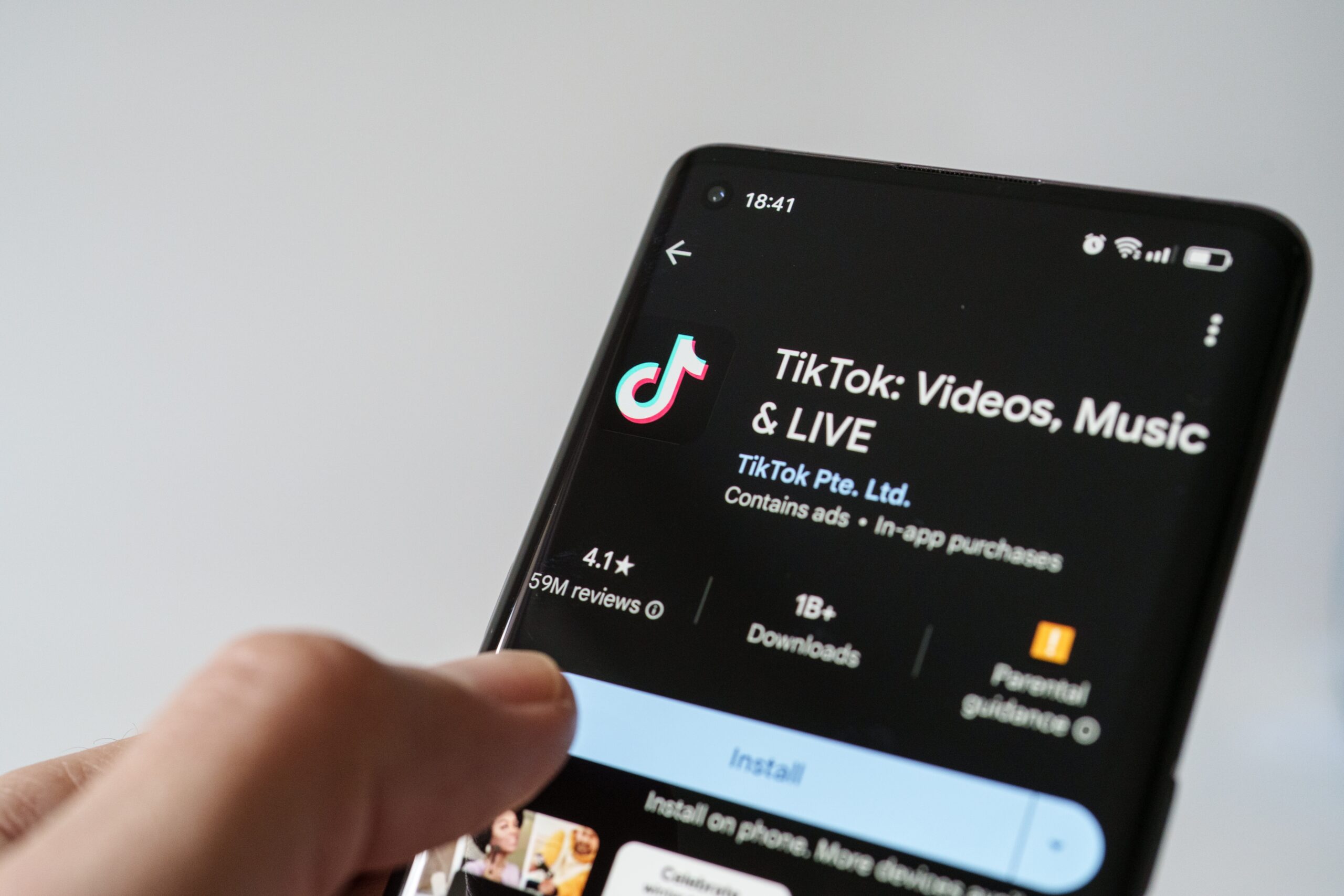
Claims that Israel is trying to buy or control social media platforms like TikTok are circulating widely online, fueled most recently by comments from Tucker Carlson and Theo Von. The allegation goes further than a policy critique, suggesting that Israel’s activity on social media somehow “confirms” antisemitic conspiracy theories about Jewish control of global systems. The factual record tells a very different story.
Where the Claim Came From
On December 10, 2025, Carlson and Von accused Israel of trying to control TikTok. As evidence, they pointed to a September clip in which Benjamin Netanyahu spoke to social media influencers about Israel’s need to fight its information war online. In that clip, Netanyahu said that “the most important purchase going on right now is TikTok.” The comment was quickly framed by critics as a literal reference to buying the platform itself.
What Netanyahu Actually Meant
Netanyahu was not talking about purchasing TikTok as a company. He was referring to the strategic importance of social media platforms for influence, advertising, and content distribution. In other words, he was describing digital outreach and public diplomacy, not corporate ownership. Governments routinely speak this way when discussing where to invest resources in messaging, influencers, and advertising.
Who Is Actually Involved With TikTok
Israel is not bidding for TikTok and is not attempting to own or control it. The main investors involved in TikTok-related discussions are Oracle, Silver Lake, Abu Dhabi’s MGX, and ByteDance. Claims that Oracle or Silver Lake are “pro-Israel” because their founders are Jewish ignore the obvious facts that MGX is Muslim-owned and ByteDance is a Chinese company operating under a government that is openly hostile toward Israel. None of this supports the idea of Israeli ownership or control.
Israel’s Digital Strategy Is Not Unique
Israel’s online activity fits squarely within a global norm. Governments across the world run coordinated influence and public diplomacy campaigns on social media to shape international perception. Saudi Arabia, the United Arab Emirates, Qatar, India, Pakistan, China, Vietnam, Ethiopia, Turkey, and Malaysia all engage in organized digital campaigns that include paid influencers, coordinated messaging, and in some cases automated accounts.
China operates large-scale covert networks often referred to as “Spamouflage” to push pro-Beijing narratives. Russia uses troll farms, state media, and embassy accounts to spread Kremlin messaging. Gulf states have invested heavily in centrally managed online campaigns to promote initiatives such as the Qatar World Cup and Saudi Vision 2030. Western democracies are no exception. The United States, the European Union, and other democratic governments fund online outreach, public diplomacy programs, and social media partnerships to advance policy goals and soft power.
What Experts Say About Influence Campaigns
As political scientists and security researchers have documented, influence operations are now a routine part of international competition. Jacob Shapiro, a professor of politics and international affairs, defines an influence operation as “a way of trying to shape how another government or its people think about a set of political activities.” A major report from the University of Oxford found evidence in 62 countries of government agencies using computational propaganda to shape public attitudes.
The Bigger Picture
Israel’s use of social media influence campaigns is standard statecraft, not evidence of secret control over platforms or a Jewish plot. The accusation relies on misreading a political speech and reviving classic conspiracy tropes that have circulated for decades. It also ignores an inconvenient reality: nearly every country on earth, including Islamic states frequently praised by Carlson, runs extensive digital campaigns to shape global opinion and advance national interests.
The Bottom Line
Israel is not trying to buy TikTok, and it does not control social media. Like dozens of other governments, it invests in digital diplomacy and online influence to defend its image and explain its policies. Portraying this as proof that “Jews control everything” is not journalism or analysis. It is a distortion of basic facts, wrapped in a familiar and dangerous conspiracy narrative.