The Lie
- Christians have more freedom and live more comfortably in Qatar than in Israel.
The Truth
- Christians enjoy far greater religious freedom, legal protection, and civic equality in Israel than in Qatar.
Background
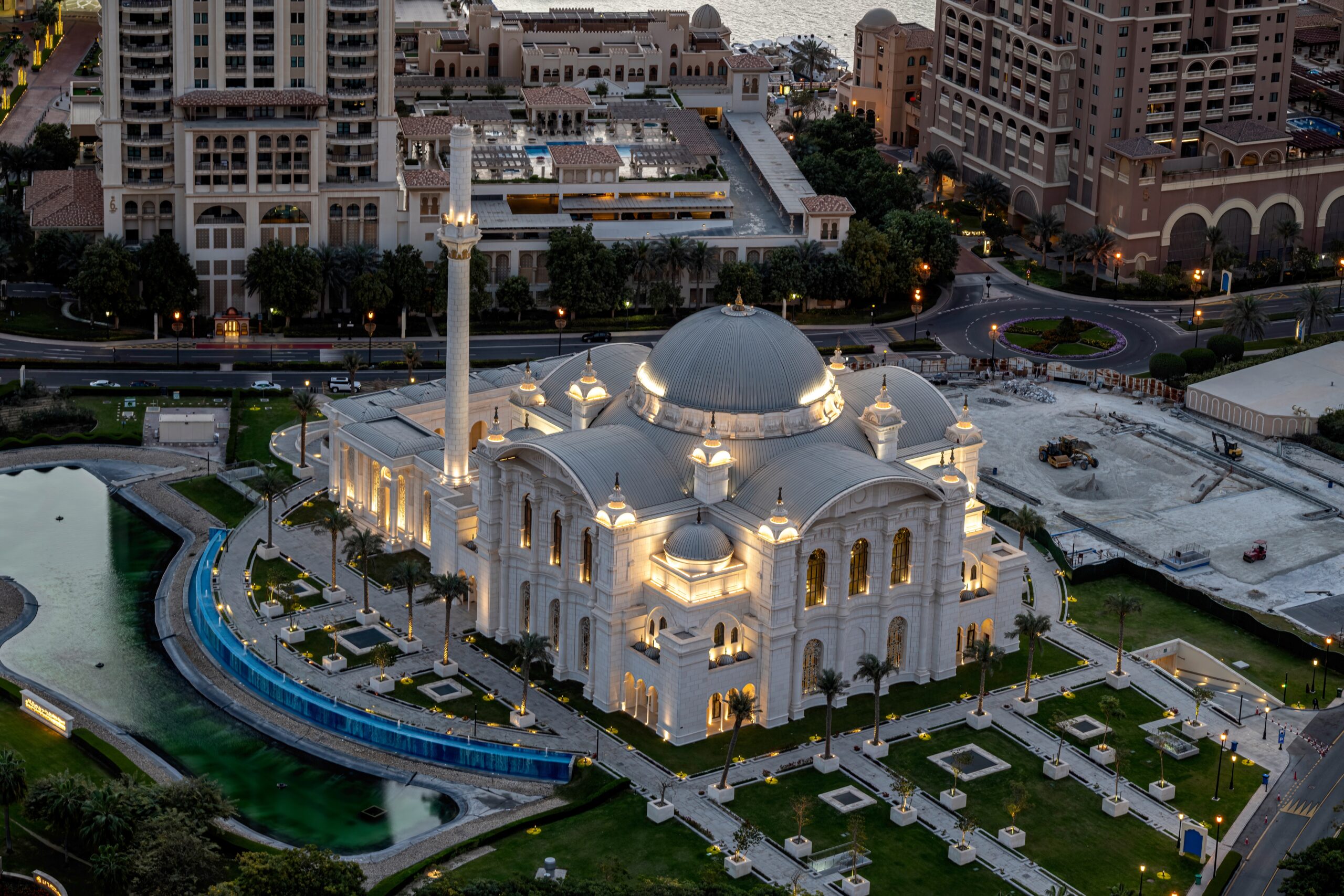
- On December 13, 2025, Tucker Carlson claimed that Christians are more comfortable in Qatar than in Israel, citing the larger Christian population in Qatar and the presence of multiple churches on government-granted land. (X)
Truth Explained:
- Qatar does have more Christians by raw numbers (roughly 380,000–430,000) than Israel (about 188,000). (US State Department), (Jerusalem Post)
- However, Qatar’s Christian population is made up entirely of foreign workers who work for Qatar’s oil and gas industry. By contrast, most Christians living in Israel are Israeli citizens with full civil rights. (Jerusalem Post), (Open Doors)
- Qatar ranks among the world’s top 50 countries where Christians face persecution; Israel does not appear on that list. (Open Doors)
- Islam is Qatar’s state religion, and Qatari law allows only tightly restricted religious practice for non-Muslims. (US State Department)
- Only eight Christian denominations are officially registered in Qatar, and public worship is largely confined to a single, government-controlled church compound in Mesaimeer on state-owned land. (US State Department)
- Christian worship in Qatar is heavily regulated: churches cannot display visible crosses, advertise services publicly, or evangelize. Proselytizing is a criminal offense that can carry multi-year prison sentences. (US State Department)
- Qatari law criminalizes organizations seen as promoting religions other than Islam and penalizes possession of missionary materials. Even eating or drinking publicly during Ramadan can lead to fines or imprisonment, regardless of religion. (US State Department)
- The law calls for two years’ imprisonment and a fine of 10,000 riyals ($2,700) for possession of written or recorded materials or items that support or promote missionary activity. (US State Department)
- Converts to Christianity from Islam face severe rights violations in Qatar, where apostasy is a criminal offense.. (Open Doors)
- By contrast, Israel has no official state religion and constitutionally protects freedom of worship. (Honest Reporting)
- Israel has vastly greater Christian religious infrastructure than Qatar, with roughly one church per 400 Christians compared to Qatar’s one per 7,000, meaning Israel has about 17 times more churches per Christian—reflecting open, nationwide worship in Israel versus Qatar’s confinement of Christian life to a single government-controlled complex. (PoiData)
- Israel recognizes multiple Christian denominations and grants Christian communities autonomy over marriage, divorce, burial, and religious affairs, with state funding for religious courts. (Honest Reporting)
- Christians in Israel worship openly, maintain churches and schools, publish religious materials, operate charities, display crosses, ring church bells, and hold public processions. (Honest Reporting)
- Christian population trends in Israel show modest growth in recent years, and surveys indicate high satisfaction levels among Israeli Christians, with 84% reporting satisfaction with life in Israel. (Jerusalem Post), (Algemeiner)
Quotes:
- “Tucker is entitled to his own opinion but not his own set of ‘facts.’ As a Christian who has been visiting Israel since 1973 & who lives here as @USAmbIsrael he is really bending [the] truth. I play in my Jerusalem church praise band, freely live my faith throughout [the] country & interact comfortably with Jews, Muslims, Druze, and others. Come visit sometime Tucker!” — US Ambassador to Israel Mike Huckabee
- “The State of Israel … will guarantee freedom of religion, conscience, language, education and culture; it will safeguard the Holy Places of all religions; and it will be faithful to the principles of the Charter of the United Nations.” — Israel’s Proclamation of Independence.
Takeaway:
While Qatar permits limited, tightly controlled Christian worship, Israel provides Christians—most of whom are citizens—with broad religious freedom, legal autonomy, and public expression. Claims that Christians are “freer” or “more comfortable” in Qatar invert the reality on the ground.