
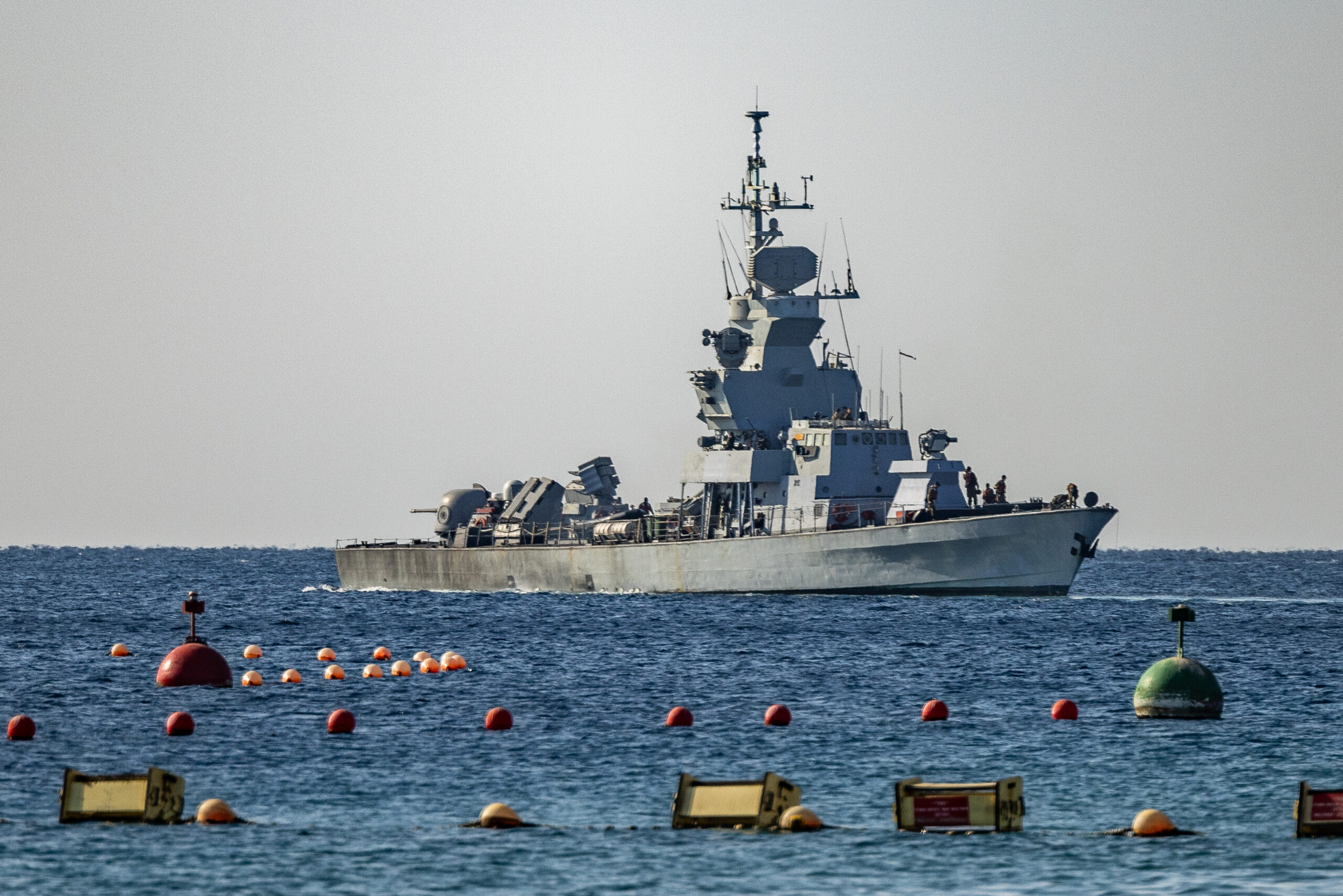
A growing argument on the American right claims that U.S. military aid to Israel primarily serves Israel’s agenda at America’s expense. The historical record tells a different story. For decades, U.S. military assistance has functioned as a tool of American leverage over Israeli policy, often constraining Israel’s freedom of action. That reality has led an increasing number of Israeli leaders and pro-Israel voices to argue that Israel would be stronger and more sovereign without the aid.
How U.S. Military Aid to Israel Works
Under a Memorandum of Understanding between Washington and Jerusalem, the United States provides Israel with $3.8 billion annually in military financing. The current MOU expires in 2028. While often described as a gift or subsidy, the aid has long come with expectations and political pressure tied to American diplomatic objectives.
Critics of Israel frequently argue that this funding allows Israel to drag the United States into regional conflicts. Supporters of Israel increasingly counter that the opposite has often been true: U.S. aid has been used to influence, restrain, or redirect Israeli security decisions in line with American priorities.
Aid as Leverage: A Historical Pattern
Significant U.S. military aid to Israel began in the 1970s during President Jimmy Carter’s efforts to broker peace between Israel and Egypt. After Israel signed the Sinai II Accord in 1976, it became the largest annual recipient of U.S. military assistance. In 1979, the Carter administration quadrupled Israeli military aid to approximately $4 billion as part of the Camp David framework, in exchange for Israel’s withdrawal from the Sinai Peninsula, a critical strategic buffer.
This pattern continued in later decades. In 1999, President Bill Clinton increased aid to Israel in conjunction with the Wye River Agreement, which involved concessions to Yasser Arafat and the Palestinian Authority. In 2007, President George W. Bush renewed the aid MOU ahead of the Annapolis peace conference, where Israeli Prime Minister Ehud Olmert entered negotiations with the Palestinian Authority. In 2016, President Barack Obama renewed the MOU in the lead-up to the Iran nuclear deal, despite Israeli concerns that the agreement endangered its security.
Throughout this period, the U.S. government has repeatedly used military aid as leverage to pressure Israel on issues such as territorial withdrawals and freezes on Jewish settlement construction.
Netanyahu and the Push for Israeli Independence
This dynamic has increasingly come under scrutiny within Israel itself. In November 2025, Israeli Prime Minister Benjamin Netanyahu publicly rejected reports that he was seeking a new 20-year U.S. military aid agreement. Instead, he emphasized a different direction, stating that it was time to ensure Israel’s independence.
According to reporting, Netanyahu has discussed with President Trump the possibility of replacing the traditional military aid framework with joint U.S.-Israel research and development programs. Such an approach would reduce political leverage while preserving strategic cooperation.
Pro-Israel Voices Call to End the Aid
Netanyahu is not alone. A growing number of pro-Israel commentators argue that U.S. military aid weakens Israel by limiting its sovereignty. Rabbi Pesach Wolicki has said that continued aid is not in Israel’s best interest because of how it affects Israel’s strategic decision-making. Conservative voices such as Laura Loomer and Josh Hammer have similarly argued that ending the aid would allow Israel to act independently without American pressure.
Notably, even some anti-Israel figures now acknowledge this reality. White nationalist commentator Nick Fuentes has openly stated that U.S. aid functions as a means of control, expressing concern that cutting it would allow Israel greater freedom to pursue its own regional and territorial policies.
What the Debate Really Shows
The claim that U.S. military aid exists solely to advance Israel’s interests at America’s expense does not hold up under scrutiny. Historically, the aid has served Washington’s diplomatic goals by giving U.S. administrations leverage over Israeli security decisions. That leverage has often required Israel to accept significant risks and concessions.
For this reason, a growing coalition of Israeli leaders and pro-Israel advocates now argue that Israel would be stronger, freer, and more fully sovereign without U.S. military aid. Far from being dependent on American assistance, Israel increasingly sees independence from it as a strategic advantage rather than a liability.