For years, the narrative that Israel “controls Washington” through AIPAC has circulated across political extremes. But a closer look at the data reveals a very different picture: it is Qatar—not Israel—that has built the most extensive foreign influence network in the U.S. capital, spending billions to shape policy, academia, media, and elite opinion while shielding Hamas and Muslim Brotherhood interests.
The Misconception About AIPAC
The American Israel Public Affairs Committee, often portrayed as a foreign lobby, is in fact an entirely domestic organization. It is funded 100 percent by American citizens and directed by an American board. Its advocacy reflects long-standing U.S. public support for Israel and focuses on shared security interests such as missile defense and intelligence cooperation.
In 2023, Israel spent just $3.1 million on U.S. lobbying—most of it related to defense assistance like the Iron Dome system. By any measure, this is modest, transparent, and predictable.
Qatar’s Strategic Investment in Influence
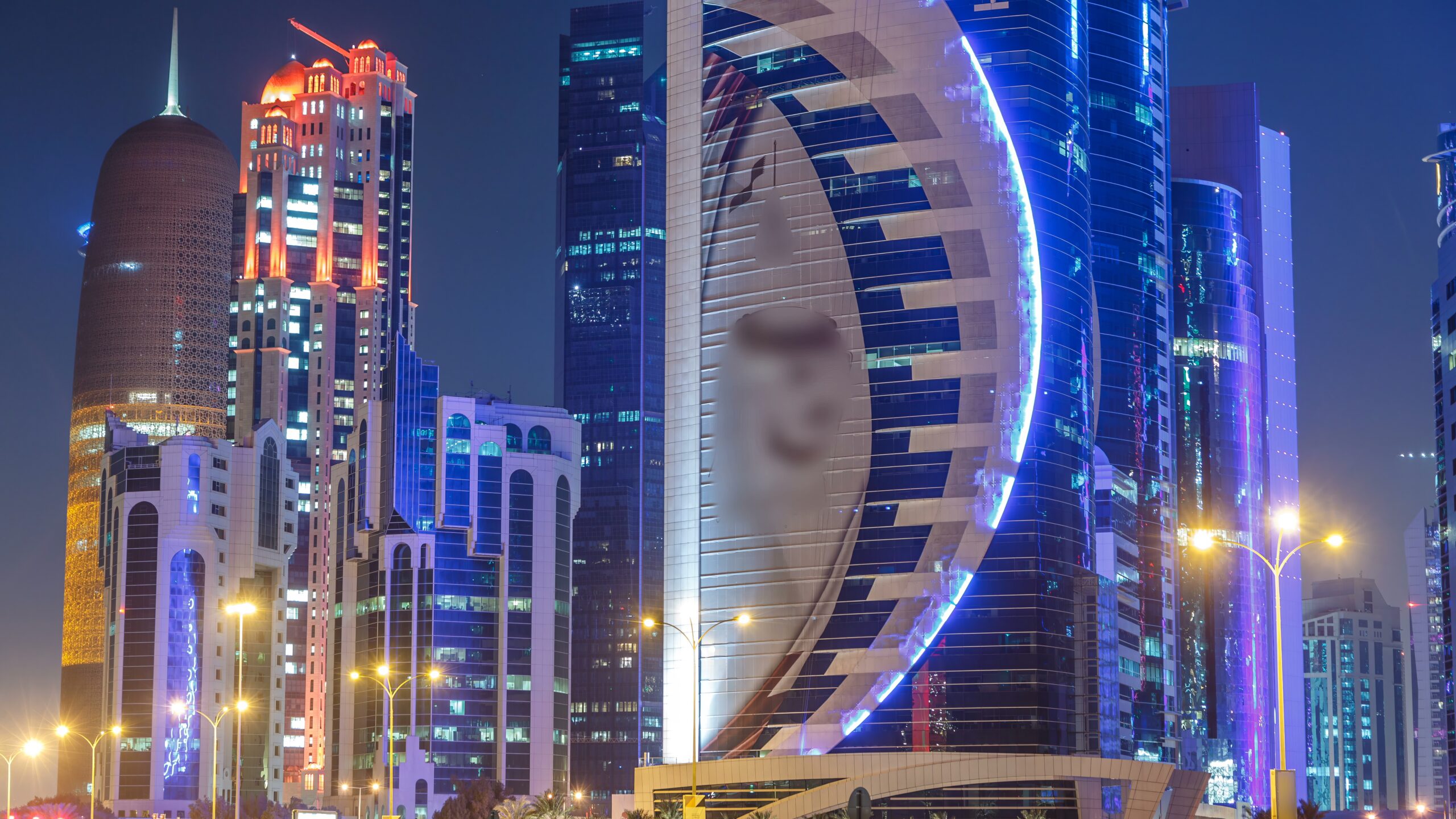
Qatar’s footprint is another story entirely. Over the last decade, the Gulf monarchy has poured nearly $100 billion into influence channels touching every corner of Washington: lobbying firms, universities, think tanks, real estate, and media organizations. The scale is unprecedented for a foreign government of Qatar’s size.
A major part of this strategy involves protecting its ideological partners. Qatar is Hamas’s primary state sponsor and one of the Muslim Brotherhood’s most powerful backers. Doha has funneled approximately $1.8 billion into Hamas-run Gaza, sheltered senior Hamas leaders in five-star hotels, and amplified their messaging through the state-owned Al Jazeera network.
As Gaza analyst Ahmed Fouad Alkhatib explains, “Qatar fooled Trump, played Israel, manipulated the Arabs, and ensured Hamas would remain the only force ruling Gaza.”
A Foreign Influence Network at Industrial Scale
To safeguard these relationships, Qatar built one of the most expansive foreign influence operations in the United States. It has hired 31 lobbying and public relations firms registered under the Foreign Agents Registration Act, with a remarkable 71 percent of them based in Washington, D.C.—a higher concentration than any other foreign government.
Since 2016, Qatar has spent nearly $250 million on lobbying and political consulting, employing former members of Congress and well-connected political operatives. Between 2021 and 2025 alone, Qatari agents logged 627 in-person meetings with U.S. officials. No other foreign government comes close.
Analyst Eitan Fischberger puts it plainly: “Qatar’s influence dwarfing everyone — Israel doesn’t even come close.”
Deep Roots in Academia and Media
Beyond politics, Qatar has embedded itself in the cultural and intellectual landscape of the United States. It is the single largest foreign donor to American universities, contributing $6.3 billion, including $1 billion to Georgetown University. These investments have shaped Middle Eastern studies and policy discourse from within the country’s most respected academic institutions.
Qatar’s media influence is similarly far-reaching. Al Jazeera and its affiliates hold 136 congressional press credentials—more than major American outlets such as The New York Times. Qatari foreign agents have also targeted right-leaning media in recent years, paying six-figure monthly retainers, placing favorable stories, and even investing $50 million into Newsmax.
The Foundation for Defense of Democracies notes, “Qatar has enabled Hamas politically and financially for decades,” while simultaneously presenting itself as a neutral mediator to U.S. policymakers.
Reassessing the Narrative
The popular belief that Israel exerts overwhelming control over Washington collapses under scrutiny of the actual numbers. Israel’s lobbying is modest and transparent, while Qatar’s influence operation is sprawling, well-funded, and often aligned with extremist networks.
The evidence is clear: Qatar, not Israel, is the foreign power pouring billions into Washington to shape policy, protect Hamas, and engineer long-term ideological gains.